
Presbyopia is a condition that can subtly sneak into your life as part of the natural aging process. Around age 40, you might notice that reading small print or focusing on nearby objects becomes more challenging.
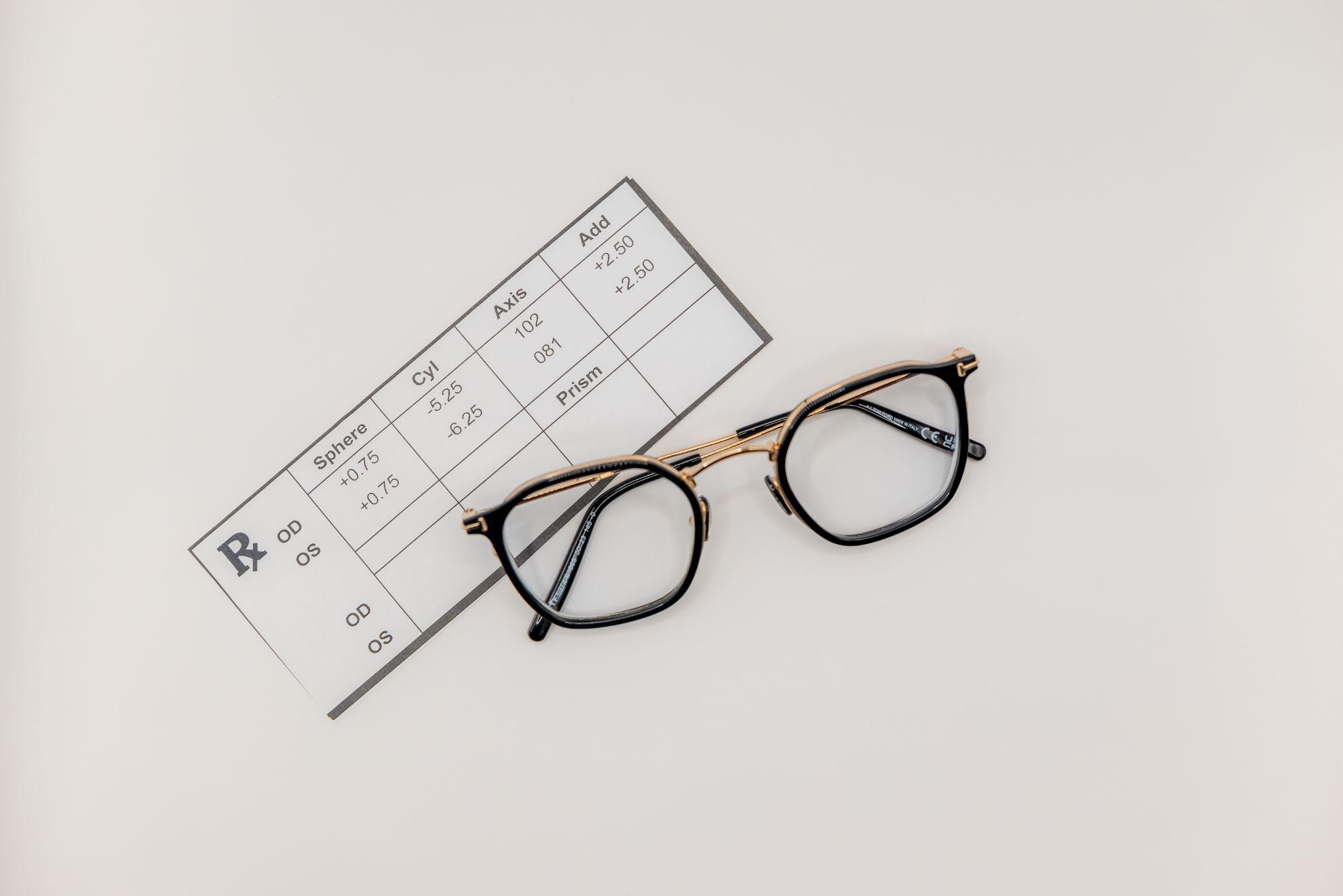
Because presbyopia is age-related, you can’t reverse it. Treatment usually involves reading glasses or, if you already have a prescription, an update to your existing lenses. Regular eye exams can help your eye doctor catch presbyopia early and suggest suitable management options.
What Is Presbyopia?
Presbyopia occurs when the eye gradually loses its ability to focus on close objects. It’s important to note that presbyopia is different from other refractive errors (such as near- and farsightedness) that are caused by an irregularly shaped eye.
Presbyopia typically starts in the early to mid-40s and affects everyone to some degree. It worsens with age but doesn’t change as quickly after about the age of 65. It can complicate many everyday tasks, such as reading, using a smartphone, or even cutting your fingernails. Symptoms of presbyopia include:
- Blurred vision
- Headaches
- Eye fatigue
- Eye strain
- Holding reading materials at arm’s length
- Difficulty reading or doing close-up work in dim light
What Causes Presbyopia?
Presbyopia occurs as the lenses of our eyes begin to change. As we age, the lens of the eye thickens, becoming less flexible or elastic. The muscles that control the lens also weaken. This makes it harder for the eye to change its shape and focus on close-up objects.
How to Diagnose Presbyopia?
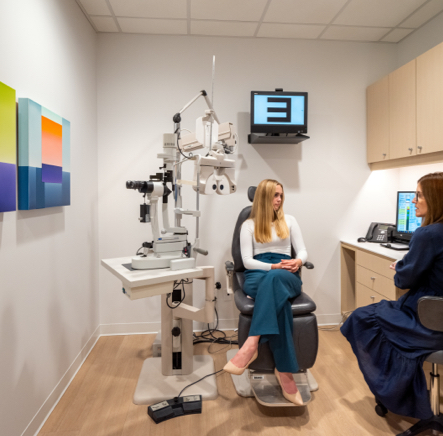
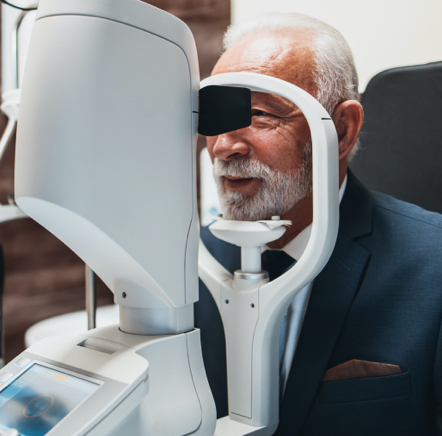
Regular eye exams are essential for detecting presbyopia. To diagnose this condition, your eye doctor will conduct a comprehensive eye exam to assess the overall health of your eyes and determine if you have any other vision issues. The exam will generally include several tests to check how well you can see, whether you have a refractive error, and evaluate the structures and muscles within the eye.
f you’re having difficulty seeing close-up objects, schedule regular eye exams and discuss any changes in vision with them.
Can Presbyopia Be Reversed?
Unfortunately, at this time, presbyopia cannot be reversed. However, various treatment options are available to manage the condition and improve near vision.

Treatment for Presbyopia
Treatment options for presbyopia usually include glasses, contact lenses,
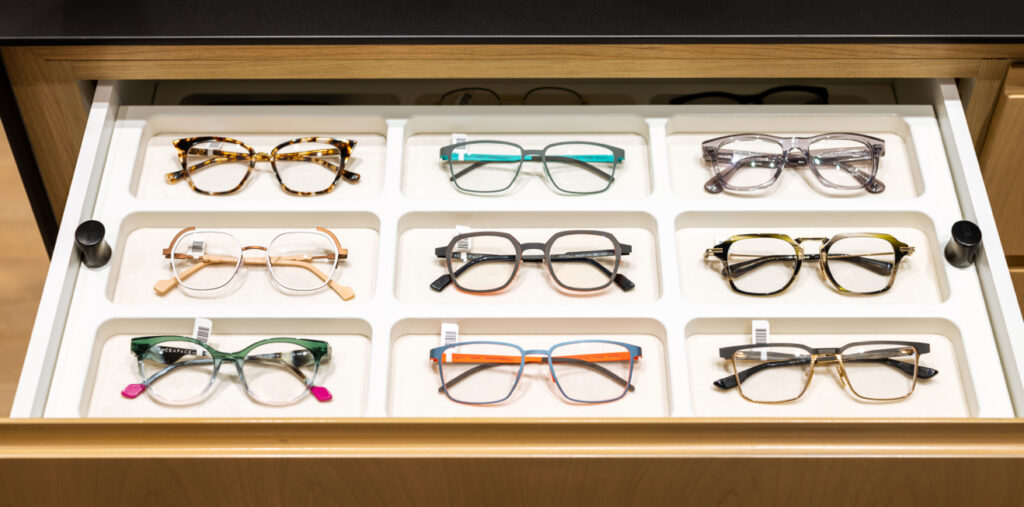
Reading Glasses & Bifocals
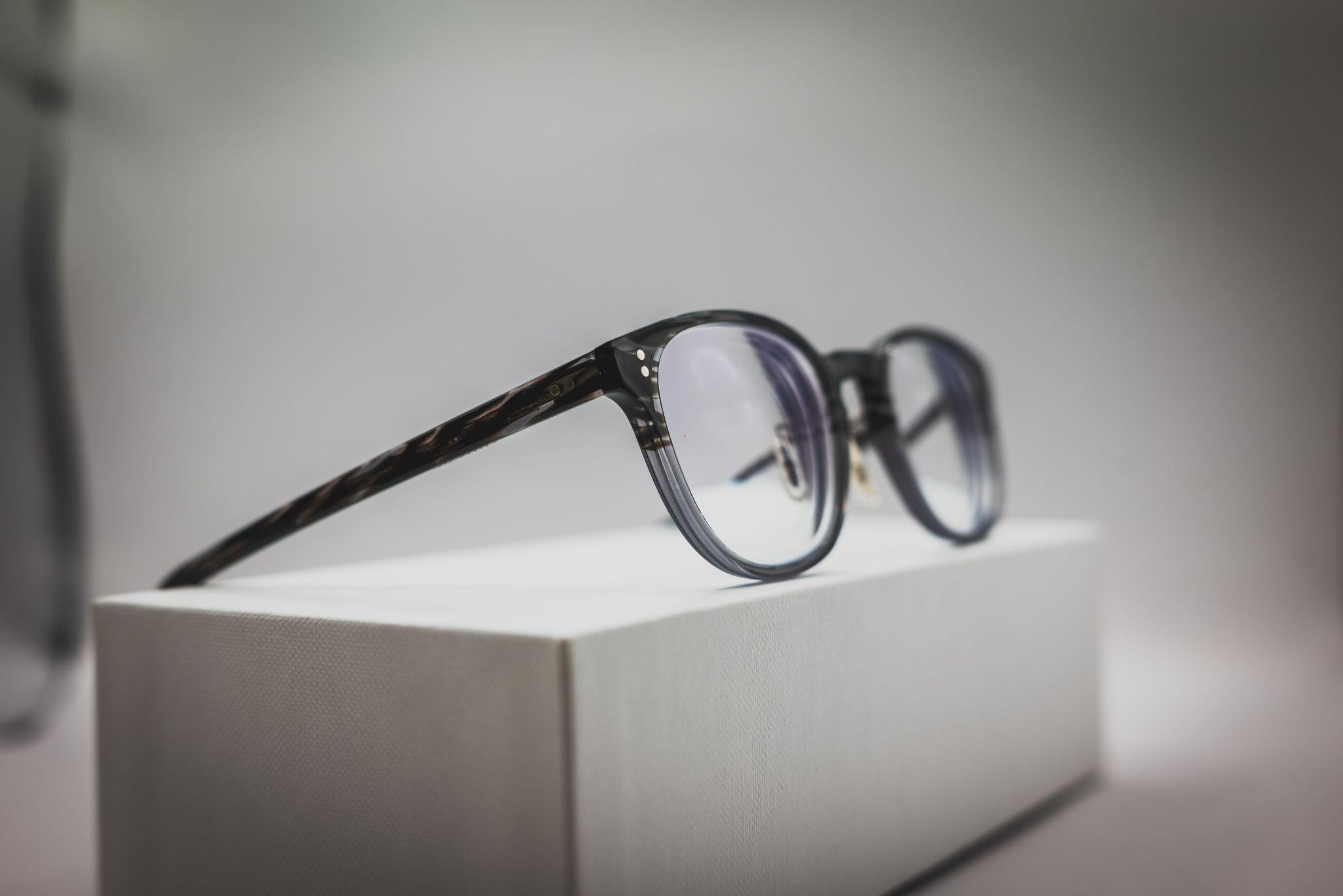
Reading glasses are the most common treatment for presbyopia, providing clear vision for close-up tasks. Bifocals are another option, offering both near and distance vision correction within a single lens—distant vision at eye level and close vision at the bottom.
Trifold Glasses & Progressive Lenses
Trifocal glasses, as the name suggests, can correct distant, near, and middle vision. Progressive lenses provide a smooth transition between distant, middle, and near vision.
Multifocal or Monovision Contact Lenses
These lenses correct one eye for distance vision and the other for near vision. While it takes time to adapt, many find this a convenient way to manage presbyopia without needing glasses.
Lifestyle Changes to Manage Presbyopia
While you can’t reverse presbyopia, there are several things you can do to manage the condition:
- Adjust lighting: Brighter lighting can greatly ease the strain on your eyes when reading or working on close-up tasks.
- Using larger fonts: Opt for larger font settings on digital devices or larger print in books to reduce eye strain and make reading more comfortable.
- Take eye breaks: Take a break every 20 minutes and look at something 20 feet away for 20 seconds.
- Prescription eyewear: Wear prescription glasses or contact lenses as prescribed by your eye doctor.
Personalized Management of Vision Problems
Currently, you can’t reverse or cure presbyopia. However, you can effectively manage it with a combination of traditional treatments and management strategies. As research and technology continue to progress, more advanced solutions for presbyopia may appear.
Stay proactive in your eye health, and remember that while presbyopia is a natural part of aging, it doesn’t have to interfere with doing the things you love. If you notice your vision changing in your 40s, request an appointment with Downtown Vision Care to determine the underlying cause.