Key Takeaways
- Bring your glasses, sunglasses, and contact lenses, even if they feel outdated.
- A written list of medications, family eye history, and vision concerns helps your eye doctor focus on what matters to you.
- Bring your Alberta health card and check any benefits before your visit so you know the costs.
- Prepared questions help you leave with practical answers.
Your calendar is full, and an eye exam is an additional appointment to fit between work meetings, school pickups, and weekend hiking trips. A little preparation means you get more out of that time and leave with clear next steps. At Downtown Vision Care, we see many busy professionals who arrive with good questions, and those visits tend to be the most productive.
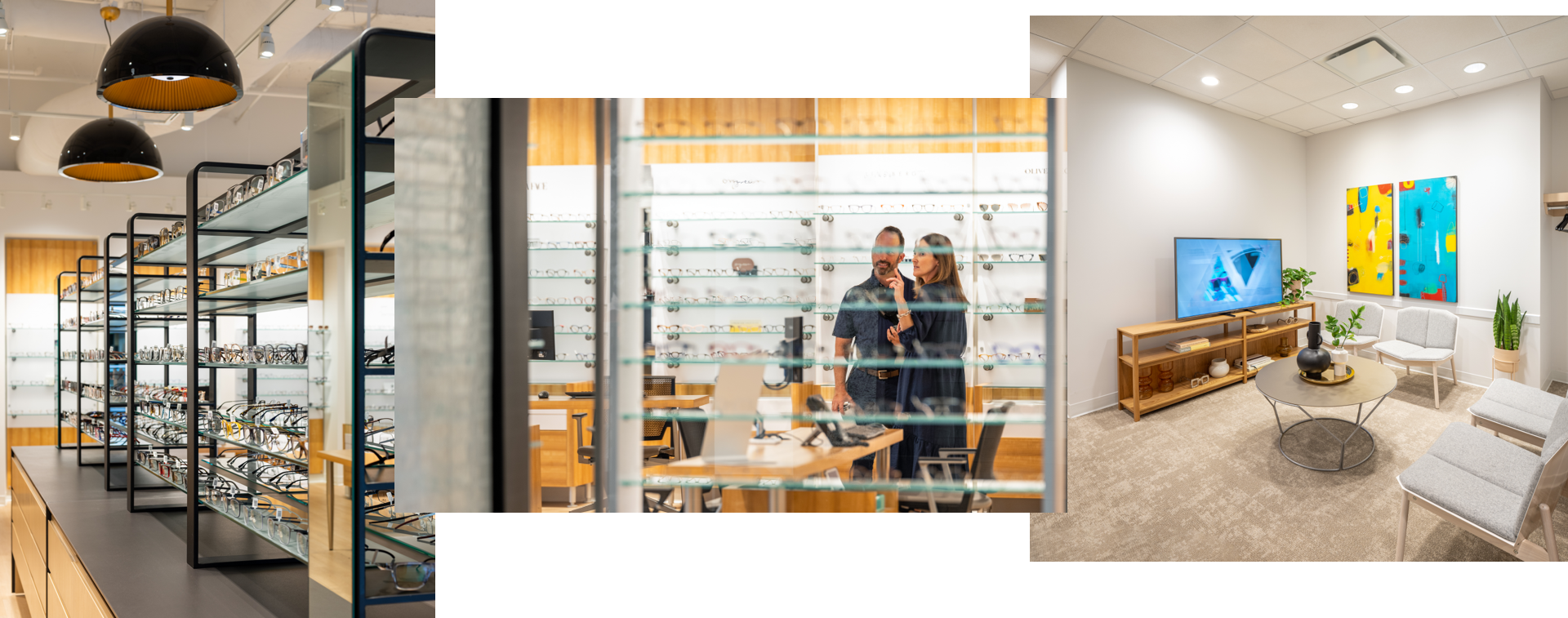
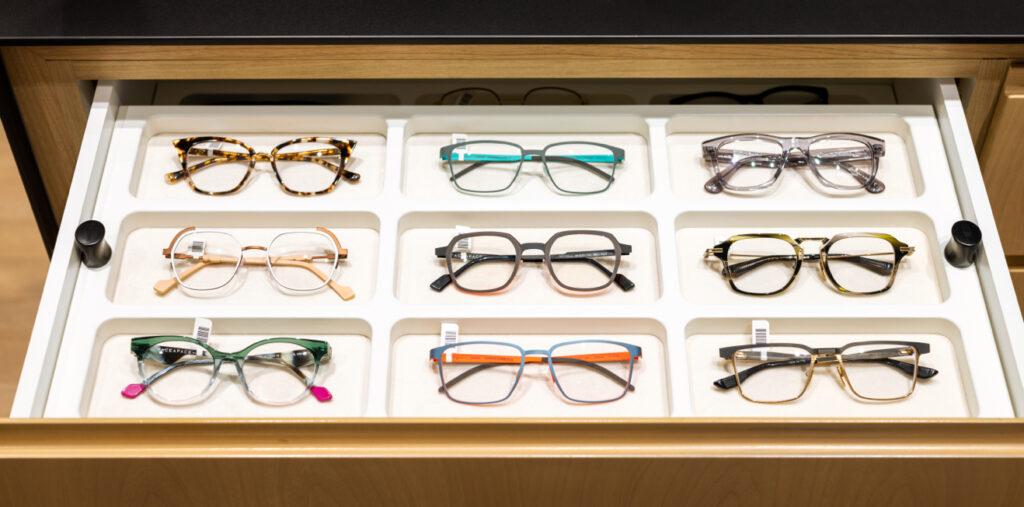
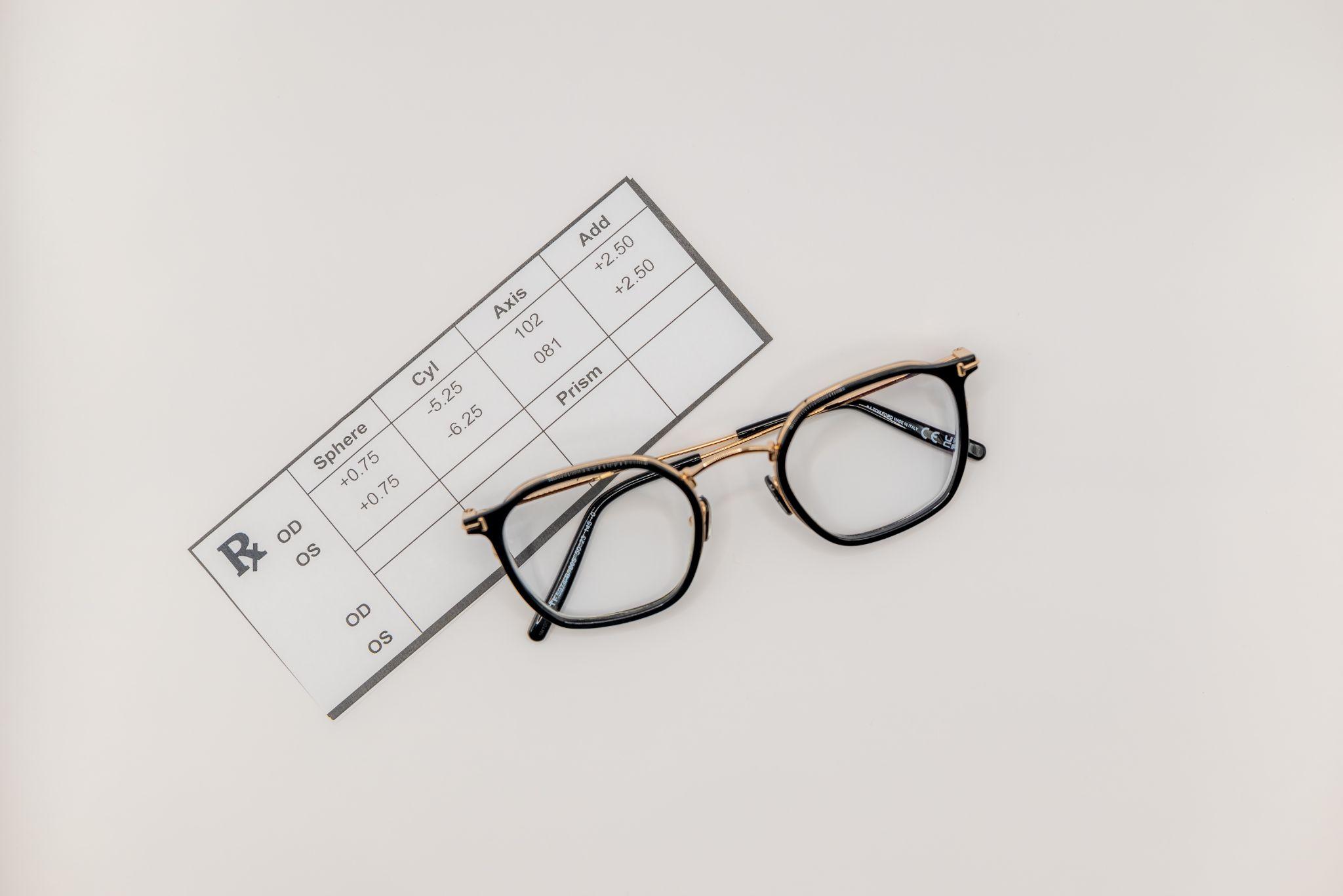
To prepare for your eye exam, bring your current eyewear, a list of medications and family health history, your health card and benefits details, and a short list of questions for your optometrist. Once you have your prescription, our eyewear dispensary can help you choose frames from brands like Tom Ford, Ray-Ban, and Dita.
What Happens at a Downtown Calgary Eye Exam?
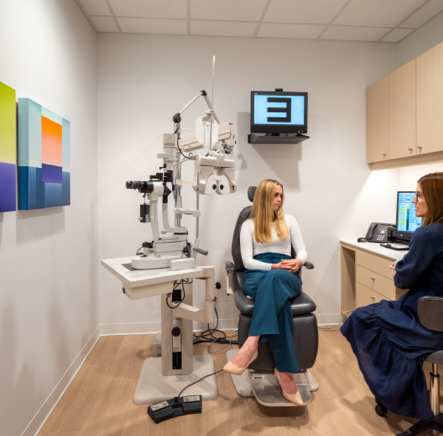
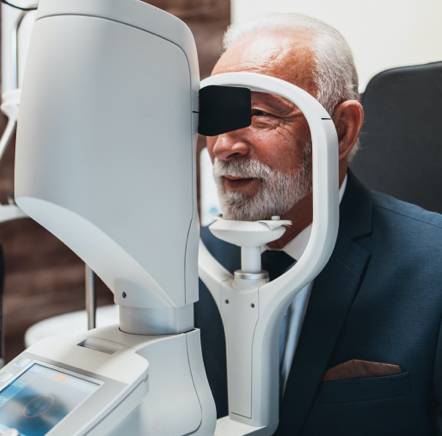
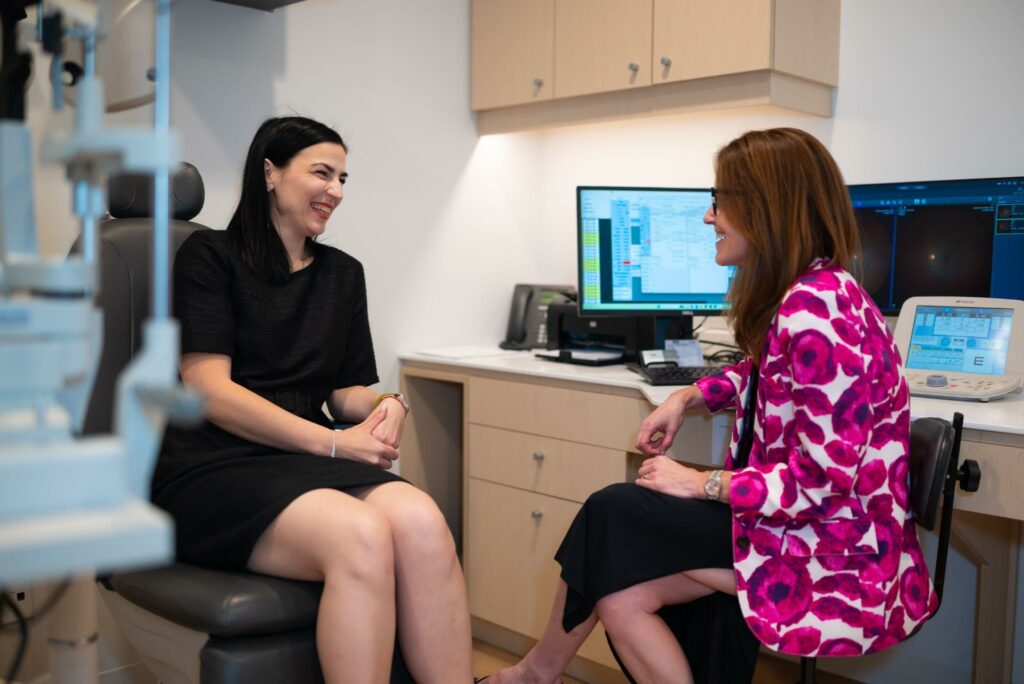
A comprehensive eye exam covers more than reading letters on a chart. Your optometrist begins by checking how well you see to determine your prescription.
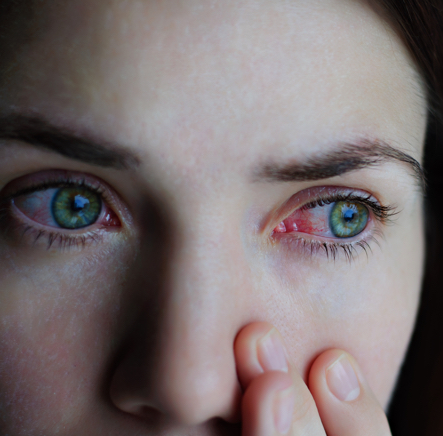
Next, your eye doctor examines the internal health of your eyes for signs of eye disease such as glaucoma, macular degeneration, or cataracts. The exam also assesses how well your eyes work together to provide comfortable binocular vision.
What to Bring to Your Eye Exam
A few items can save time and give your optometrist a fuller picture of your eye health.
Your Current Glasses, Sunglasses, and Contact Lenses
Bring the eyewear you have used since your last exam, including reading glasses and prescription sunglasses. This applies even if your prescription feels outdated, because your optometrist can compare your current lenses with your new results.
If you wear contact lenses, pack your lens case and solution. You may need to remove your lenses during the exam.
Medications and Family Health History
Write down any medications, supplements, and eye drops you use. A quick list on your phone works well.
Family history matters too. Let your optometrist know if relatives have had eye conditions such as glaucoma or age-related macular degeneration. It also helps to bring your family doctor’s name, so our team can share any necessary results with them.
Alberta Health Card and Benefits Details
Bring your provincial health card, since Alberta Health coverage may apply depending on your age and eye care needs. If you have additional benefits, check your coverage before your visit and bring your plan details.
Some out-of-pocket costs may still apply. Our front desk team can walk you through them, so you know what to expect before your exam begins.
How to Prepare for Your Appointment Day
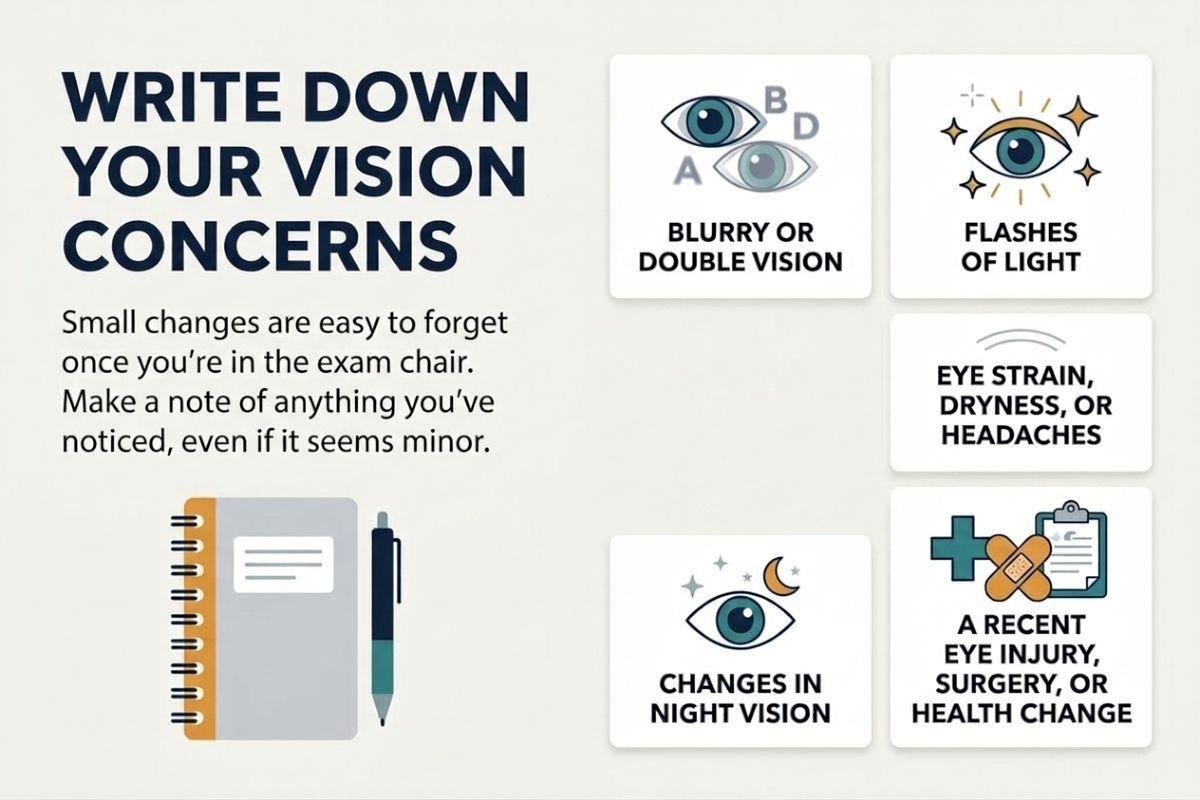
Write Down Your Vision Concerns
Small changes are easy to forget once you’re sitting in the exam chair. Make a note of anything you have noticed, even if it seems minor, such as:
- Blurry or double vision
- Flashes of light
- Eye strain, dryness, or headaches
- Changes in your night vision
- A recent eye injury, surgery, or change in your health
Plan for a Smooth Visit
Wear minimal to no eye makeup on the day of your exam, and arrive 10 to 15 minutes early. Your optometrist may use dilation drops, which widen your pupils to allow a closer look inside the eye. If your pupils are dilated, bring sunglasses for the bright Calgary sun and arrange a ride home.
Questions to Ask Your Downtown Calgary Optometrist
About Your Eye Health
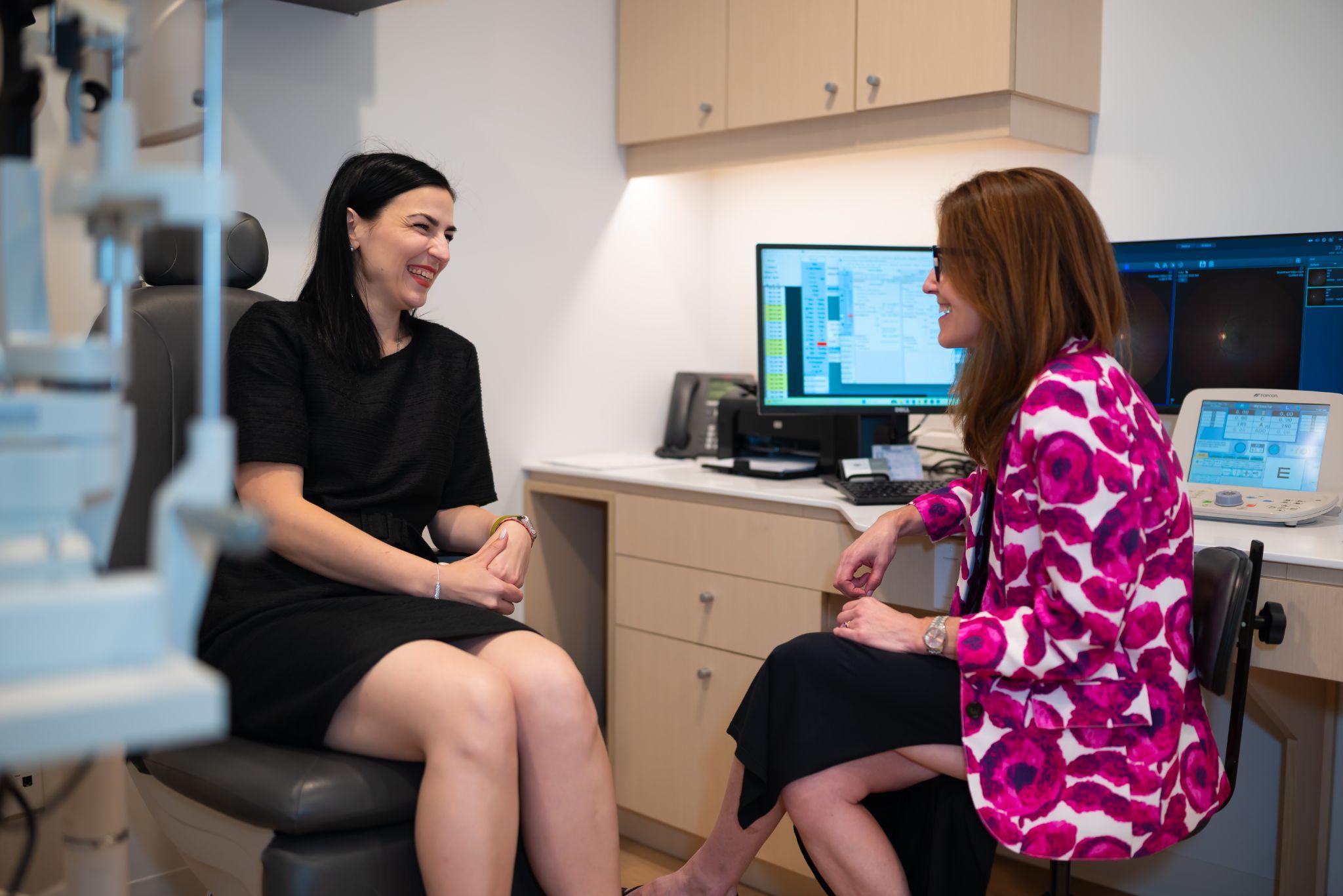
Ask what has changed in your vision since your last exam and which signs of eye disease to watch for between visits. You can also ask to see your eye scan or imaging results. Seeing the images yourself makes the findings easier to follow and explains the reasoning behind your care.
About Long Workdays at the Screen
If you spend 8 hours a day at a monitor, ask about practical ways to reduce digital eye strain at work. Contact lens wearers can also ask how long to wear their lenses each day and how to care for them.
About Glasses and Lens Options
Ask about lens coatings, such as anti-reflective treatments, that suit your lifestyle. You might also ask whether you need both glasses and contact lenses, and which frame styles work best for your prescription and your workday.
What Comes Next After Your Eye Exam
Before you leave, book your next exam so it is already on your calendar.
Our eyewear dispensary can help turn your prescription into glasses you will enjoy wearing, from classic Ray-Ban styles to refined Tom Ford and Dita frames. The setting is relaxed, and you can take your time choosing without any pressure to buy.
A little preparation can turn a routine appointment into a focused and useful visit. Request an appointment at our downtown Calgary practice and choose a time that fits your schedule.