When your contacts used to feel comfortable all day but now irritate your eyes by the afternoon, you might assume the lenses are the problem. However, the real culprit could be the front surface of your eye. Many people experience contact lens discomfort without realizing that dry eye is actually causing their symptoms.
Contact lens discomfort is typically from dry eye rather than the lenses themselves, and distinguishing between these two conditions is essential for finding effective relief. Understanding the difference helps you get proper dry eye treatment instead of unnecessarily switching contact lens brands or giving up on lenses altogether.
Signs That Point to Dry Eye Rather Than Contact Issues
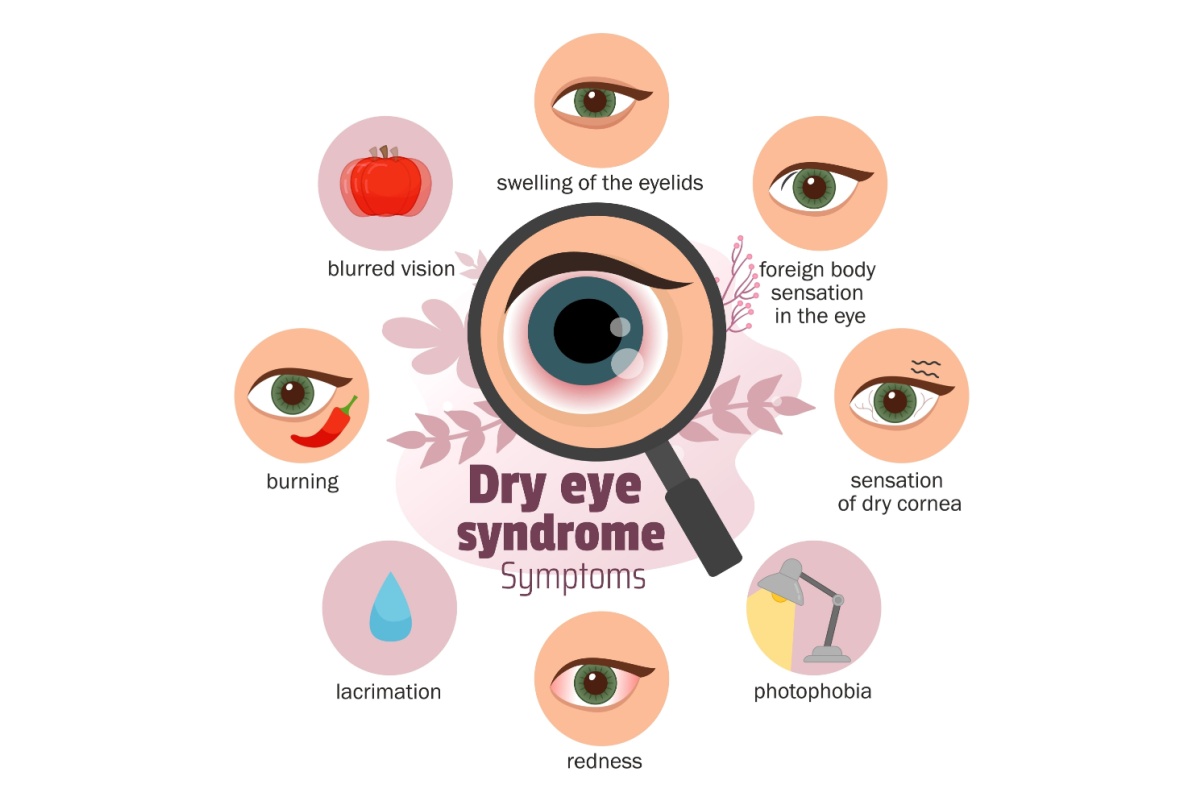
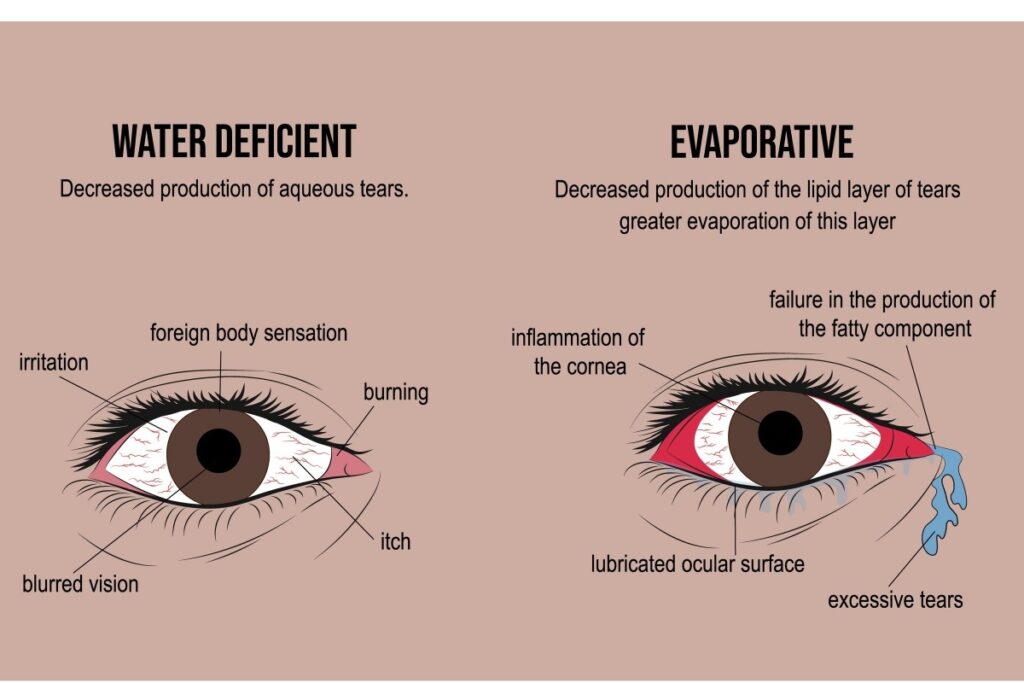
When contacts feel uncomfortable, it’s natural to automatically blame the lenses themselves. However, dry eye symptoms often mimic contact lens problems, making it tricky to identify the real cause. Dry eye affects tear quality and quantity, which directly impacts how comfortable your contacts feel throughout the day.
These symptoms may suggest dry eye is the underlying issue:
- Burning or stinging sensation that persists even after removing contacts
- Gritty feeling in your eyes throughout the day
- Excessive tearing or watery eyes
- Blurred vision that comes and goes
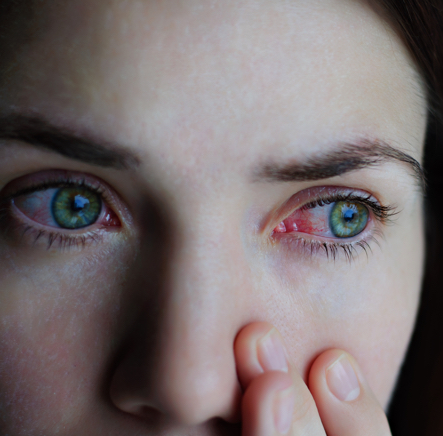
- Red, irritated eyes by mid-afternoon
- Difficulty wearing contacts for your usual duration
Why Contacts Worsen Dry Eye Symptoms
Discomfort happens because contact lenses sit directly on the tear film on the front surface of your eye, disrupting the natural moisture balance and flow of tears. When you already have dry eye, this disruption becomes more noticeable. The lenses essentially compete with your eye surface for the limited moisture available.
Insufficient tears mean your contacts don’t have adequate lubrication to move smoothly across your eye. This creates friction and makes wearing lenses feel increasingly uncomfortable as the day progresses and your eyes work harder to maintain moisture.
Simple Tests to Determine the Root Cause
You can perform some basic assessments at home to help distinguish between contact lens problems and dry eye symptoms.
Remove Your Contacts for 24 Hours
Take out your contacts and wear glasses for a full day. If your discomfort continues without contacts, dry eye could be the primary issue. A comprehensive dry eye exam can then confirm what your home test suggests.
Monitor How Much You Blink
Pay attention to how often you blink during screen time or focused activities. Blinking produces fresh tears. Reduced blinking can worsen dry eye symptoms and make contact lens wear more difficult. You might notice that conscious, complete blinking provides temporary relief. The 20-20-20 rule can help you remember to blink more frequently during intense work sessions.
When on a screen, we tend to blink half as much as what is required for sufficient tear replenishment.
Track Symptoms Throughout the Day
Note when your discomfort peaks. Dry eye symptoms typically worsen throughout the day, while contact lens problems often occur immediately upon insertion. Environmental factors, such as air conditioning or wind, can also exacerbate dry eye symptoms.
How Optometrists Detect Dry Eye
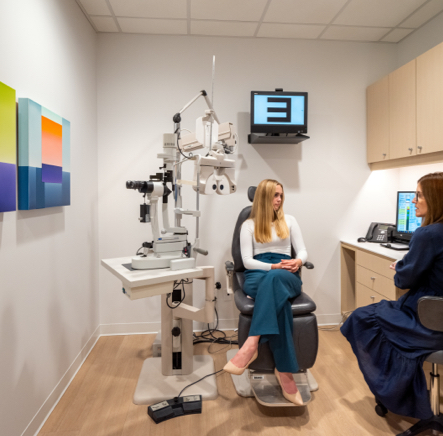
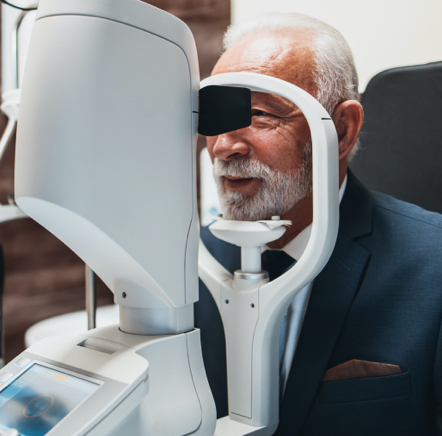
A comprehensive eye examination can provide definitive answers about whether dry eye or contact lens issues cause your discomfort. Professional assessment offers tools and expertise beyond what you can determine at home.
A dry eye exam may include tests to assess tear production, tear film quality, and overall eye surface health. These assessments help distinguish dry eye from other conditions that may cause discomfort. Specialized diagnostic equipment can reveal issues that are invisible to the naked eye.
We can evaluate whether your current lenses fit properly and suit your eye shape. Poor lens fit can mimic dry eye symptoms. Sometimes, a simple lens material or brand change can resolve what appears to be a dry eye problem.
Treatment Options for Contact Lens Wearers with Dry Eye
If we confirm that dry eye is causing your contact lens discomfort, we can offer several treatment options. The key is addressing the underlying moisture deficiency while allowing you to still enjoy the benefits of contact lenses.
Simple Lifestyle Adjustments
Treatment may be as simple as adjusting your daily routine. We may recommend:
- Increase your water intake: Proper hydration supports natural tear production throughout the day.
- Take regular screen breaks: Follow the 20-20-20 rule to reduce eye strain and encourage blinking.
- Use a humidifier in your workspace: Adding moisture to dry indoor air helps prevent tear evaporation.
- Add omega-3 fatty acids to your diet: These essential nutrients support the oil glands in your eyelids that keep tears from evaporating too quickly. You can get omega-3s through fish oil supplements or by eating more fatty fish like salmon and sardines.
- Use specialized warm eye masks: Reusable eye masks designed to maintain proper therapeutic temperature help improve oil gland function in your eyelids, which supports better tear film quality. These are more effective than washcloths, which cool too quickly.
- Avoid air vents and fans: A/C or heat from vents in our cars that blow into our eyes can increase dry eye symptoms.
These modifications support your natural tear production without requiring medications or procedures.
Specialized Contact Lens Options
Certain contact lens materials and designs are better suited to people with dry eyes. We can recommend lenses that maintain moisture better and produce less irritation.
Daily disposable lenses often provide relief because fresh lenses daily eliminate protein buildup that can worsen dry eye symptoms. Scleral lenses are oversized lenses that vault over the cornea to create a soothing reservoir of moisture for your eyes.
Complementary Dry Eye Treatments
Beyond lifestyle adjustments and specialized contact lenses, we offer several professional treatments to address the root cause of dry eye while allowing you to continue wearing contacts comfortably.
- Prescription and Over-the-Counter Eye Drops: Depending on your symptoms, we can recommend or prescribe eye drops specifically formulated for dry eye relief. We carry a range of products in our online store and can guide you toward options that work best with contact lens wear.
- BIHOCL: This effective antimicrobial solution for daily lid hygiene treats dry eye, blepharitis, and styes. It removes bacteria and reduces inflammation of your eyelids to restore ocular comfort, making it easier to wear contacts throughout the day.
- Lid Scrubs: We carry specialized lid scrubs designed to clean away bacteria and debris on your eyelids that can affect your meibomian glands and worsen dry eye symptoms. Regular use helps maintain healthy oil production in your tear film.
These treatments work together to address dry eye at its source, allowing you to enjoy comfortable contact lens wear again.
When to See Your Optometrist
Certain symptoms warrant prompt professional attention. Schedule an appointment with us if you experience:
- Persistent discomfort that continues without contact lens wear
- Vision changes that affect your daily activities
- Severe redness or irritation that worsens over time
- Complete inability to wear contacts for your usual duration
- Symptoms that interfere with work or professional responsibilities
Enjoy Contact Lenses Again
Determining whether your discomfort stems from contact lenses, dry eye, or another condition can be challenging. Fortunately, you don’t have to figure it out on your own. At Downtown Vision Care, we offer comprehensive dry eye assessments and advanced diagnostic testing to pinpoint the exact cause of your discomfort.
Once we identify the issue, we have solutions. Whether you need specialized contact lenses designed for dry eyes, prescription dry eye treatments, or adjustments to your current lens routine, our team provides the expertise to help you return to comfortable, clear vision throughout the day.
Ready to enjoy your contacts again without the irritation? Book an appointment at Downtown Vision Care in Calgary for a comprehensive dry eye evaluation and contact lens assessment.