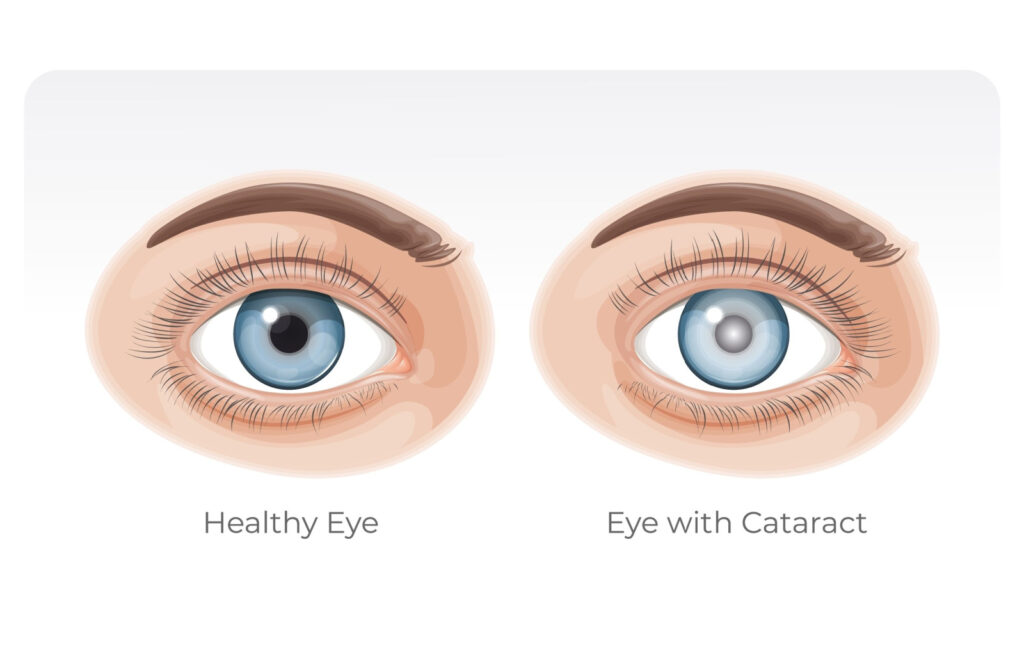
Cataracts occur when our lens in the middle of eye gets cloudy and opaque. They can be a frustrating thing to deal with in your everyday life, and while they are very common, many of our patients wonder about how they are treated. One common question we’re asked is whether or not you can use something like laser eye surgery for cataracts.
You can absolutely use laser surgery to treat cataracts, but the treatment for laser cataract surgery will usually involve more than just a laser. Typically, the surgeon will use the laser to make the initial incision before switching to using ultrasonic waves to break down the proteins causing the cataract. While the laser can save time and make the process much more efficient, it can’t do everything needed for the surgery.
What Are Cataracts?
Cataracts are an extremely common eye condition that typically affects people over the age of 60. They’re caused by proteins breaking down in your eye over time, which then clump together and begin to block light from reaching the back of your eye.
Cataracts can cause several problems, including:
- Blurry vision
- Fading colour vision
- Poor night vision
- Light sensitivity and glare issues
- Seeing halos around lights
The effect of cataracts can be similar to looking through a foggy or cloudy windshield. Light can’t reach the retina properly, leading to disruptions in how your brain processes images and light. Typically, symptoms start slowly or may be entirely unnoticeable. But cataracts are considered progressive, so symptoms get worse with time.
What Causes Cataracts?
The exact causes of cataracts aren’t fully understood, but there are some risk factors that can significantly affect the likelihood of you developing a cataract, including:
- Age
- Exposure to UV radiation
- Trauma or other eye injuries
- Long-term use of steroid medications
- Tobacco use
- Poor nutrition
Some medical conditions can also increase your odds of developing a cataract, including:
- Diabetes
- Hypertension (high blood pressure)
- Some genetic disorders
But there is good news—there are treatment options available!
What Is Cataract Surgery?
Cataract surgery is one of the most common surgical procedures performed in Canada and is generally considered to be very safe and very effective.
There are typically several steps involved in cataract surgery, including the following:
- Step 1: A doctor applies anesthesia or numbing eye drops so you can’t feel anything during the procedure.
- Step 2: An incision is made on the surface of the eye, usually right around the edge of the cornea.
- Step 3: Once an opening is made, a small ultrasound device is used to break up the proteins and affected lens in your eye, and they’re then suctioned out using a tiny instrument.
- Step 4: After the proteins and lens are removed, the surgeon will install something called an intraocular lens (IOL) to replace your natural lens.
Most of the time, the initial cut is made in a way that allows it to heal itself without any stitches. After the operation is finished, you may experience some discomfort for a few days, but this typically passes quickly. You will need to take some eyedrop medication for a few weeks and have a couple follow up visits with your optometrist.
Does Laser Eye Surgery Work for Cataracts?
Fortunately, as modern technology continues to evolve, we can take advantage of those advancements to further enhance the experience of cataract surgery. One way that cataract surgery has been adjusted is through the use of lasers.
Though they can’t do the entire surgery, lasers can help eye doctors make accurate incisions, avoiding any potential challenges created by using traditional instruments. With laser technology, a surgeon can use computers and digital scanning technology to make an extremely precise initial cut to access the cataract.
The steps after this are usually similar to those of traditional cataract surgery. However, some surgeons may use another laser to soften and fragment the protein buildup causing the cataract before using the ultrasound device to break up the lens, which can help make removing the lens easier.
This blend of modern technology and traditional surgery can be an extremely efficient approach to treating this common eye condition.
Is Cataract Surgery Safe?
Cataracts are an extremely common condition, so this surgery has been performed many many times with successful, positive results. This has led to many doctors refining and improving the process to the extremely safe and efficient operation it is today. Like most surgeries, there are potential risks, but cataract surgery is generally considered to be an extremely safe approach to treating a cataract.
At Downtown Vision Care, we know that a cataract can make life challenging, and we can help you get treatment that can restore your vision. To speak with one of our caring and professional staff about cataracts, request an appointment with us today!