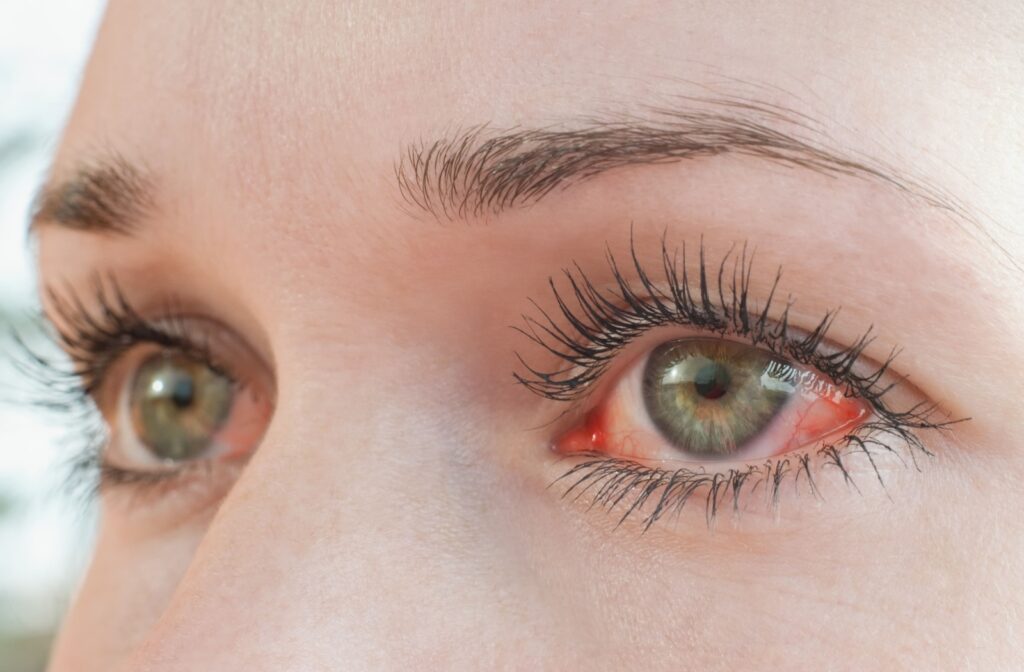
Blinking is something we do without thinking, until it starts to hurt. If you have been asking yourself, “Why do my eyes hurt when I blink?” you are not alone.Pain while blinking can be annoying, distracting, and in some cases, a sign that something is not quite right with your eye health. The most common causes include dry eyes, infections, amd allergies, but only a proper eye exam can get to the root of the problem.
What Can Cause Eye Pain When You Blink?
Eye Infections
One of the most frequent culprits is an eye infection—often conjunctivitis, also known as pink eye. Whether viral or bacterial, infections irritate the delicate membranes that line your eyelids and eyeballs. That inflammation can turn every blink into a mild sting or ache.
Typical symptoms include:
- Redness or swelling
- Burning or gritty sensation
- Watery discharge or crusty lashes (especially in the morning)
- Light sensitivity
- Blurry vision
Bacterial infections may need prescription drops or ointments to clear, while viral types usually resolve on their own. Either way, avoid touching your eyes and wash your hands frequently to prevent spreading it to others—or your other eye.
Dry Eyes
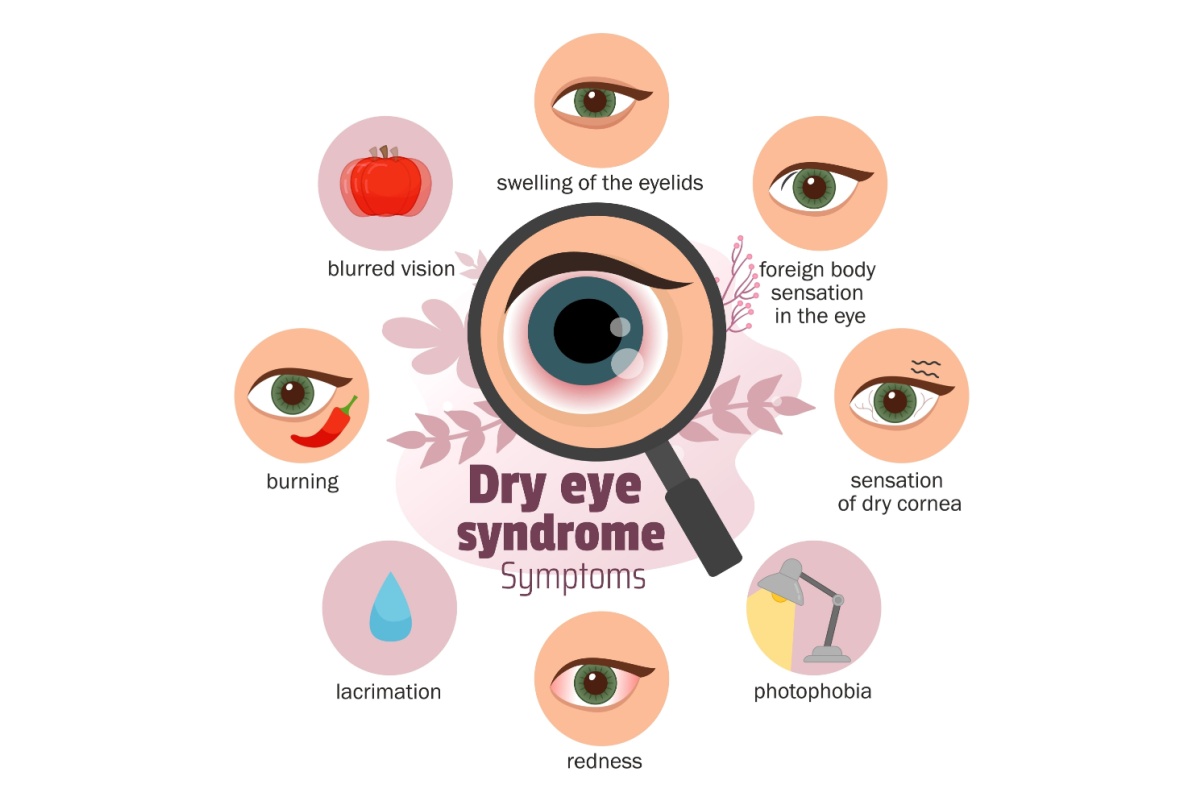
If you work at a computer all day, spend time in dry air, or wear contact lenses, dry eye could be to blame. When your eyes do not make enough tears, or the tears evaporate too quickly, blinking becomes uncomfortable. It feels as if your eyelids are rubbing against sandpaper instead of a smooth surface.
Dry eyes often show up with:
- Burning or stinging sensations
- Redness
- Blurry vision that improves with blinking
- Feeling as if something is in your eye
At-home treatments such as artificial tears and warm compresses can help, but persistent dry eye may need professional care. Your optometrist might recommend treatments such as prescription or over-the-counter eye drops, Bruder masks, lid scrubs, or BIHOCL to help restore moisture and comfort.
Allergies
Seasonal allergies do not just make you sneeze—they can irritate your eyes, too. When allergens to pollen or dust trigger a histamine response, your eyes can become inflamed, watery, itchy, and painful when you blink.
Other signs of eye allergies include:
- Swollen lids
- Runny nose
- Frequent rubbing
- Redness without infection
Oral antihistamines may help, but it is often necessary to get prescription eye drops. Check with your optometrist and they can help you manage symptoms.
Foreign Bodies
Sometimes the answer is simple: something is in your eye. Sand, an eyelash, even exfoliating face wash beads—anything small can get trapped under your lid and cause pain with every blink. If you feel something there and flushing it out with saline does not help, it is time to call your eye doctor.
Leaving a foreign object in your eye can scratch your cornea and lead to more serious issues such as infection or scarring.
Contact Lens Issues
If you wear contact lenses, improper use can quickly lead to irritation and discomfort. Sleeping in lenses, wearing them too long, or not cleaning them properly can increase your risk of dryness, infection, and even corneal damage.
Here are some quick tips to avoid contact-related issues:
- Do not sleep in your lenses unless they are designed for it.
- Use fresh cleaning solution every time (never tap water!).
- Replace lenses as recommended.
- Wash your hands before handling contact lenses.
If you are noticing pain while blinking with lenses in, remove them and wear glasses until you have had an exam.
When Should You See an Optometrist?
While some blinking discomfort can resolve on its own, it is important to pay attention to how long the pain lasts and whether you have other symptoms, such as:
- Vision changes
- Eye discharge
- Light sensitivity
- Severe redness or swelling
- Pain that does not go away in a day or two
A more serious cause—such as a corneal abrasion or even angle-closure glaucoma—requires immediate attention. Do not wait it out if something feels off. Your optometrist can examine the surface of your eye, check for signs of infection or injury, and recommend the right treatment.
Taking Care of Your Eye Comfort
Your eyes are delicate, and taking care of them can go a long way in preventing discomfort. Here are a few things you can do to help avoid blinking pain in the future:
- Take breaks from screens (use the 20-20-20 rule).
- Stay hydrated.
- Wear sunglasses in harsh weather.
- Keep your hands away from your face.
- Follow proper contact lens hygiene.
- Schedule regular eye exams.
Get Back to Blinking Comfortably
Blinking should not hurt—and if it does, we want to help you get to the bottom of it. Whether it is dry eye, an infection, or something else entirely, you do not have to figure it out alone. Our team at Downtown Vision Care in Calgary offers compassionate, personalized eye care to help you feel your best.
Request an appointment today and let us take care of those blinking blues—for good.